Vascular Health: What Keeps Blood Vessels Healthy

Blood vessels run throughout the entire body. They transport oxygen and nutrients to organs and tissues and carry away metabolic waste products. To ensure that this supply functions reliably, the vessels must remain permeable, resilient, and as elastic as possible.

Arterial health is influenced by many factors. These include blood pressure, blood lipids, blood sugar, physical activity, diet, smoking, body weight, stress, and family history. Changes often develop slowly and go unnoticed for a long time. This makes it all the more important to be aware of your personal risk factors and to address them early on.

What are the components of blood vessels?

The circulatory system consists of arteries, veins, and capillaries. They perform different functions:

  • Arteries carry blood away from the heart.
  • Veins carry the blood back to the heart.
  • Capillaries are the finest blood vessels through which oxygen, nutrients, and metabolic waste products are exchanged between the blood and tissues.

This page focuses primarily on arterial health. For information on venous conditions, heavy legs, and venous valves, see the category Veins & Heavy Legs.

What are the characteristics of healthy arteries?

Arteries carry blood through the body at relatively high pressure. Their walls consist of several layers and contain elastic fibers and muscle cells. This allows them to adapt to varying demands.

Healthy arteries can:

  • withstand the pressure of blood flow
  • expand and contract
  • regulate blood flow
  • Reliably Supplying Organs and Tissues
  • respond to movement, stillness, and temperature

The innermost layer of blood vessels is called the endothelium. It is in direct contact with the blood and plays a role in regulating blood vessel diameter, blood clotting, and inflammatory processes.

What is atherosclerosis?

Atherosclerosis refers to changes in the walls of the arteries that cause them to become thicker, harder, and less elastic. In everyday language, it is often referred to as hardening of the arteries.

A common form is atherosclerosis. In this condition, blood lipids and other substances are deposited on the inner wall of the blood vessels. This leads to the formation of what are known as plaques. These can progressively narrow the blood vessel and impair blood flow.

The process usually develops over many years. It can affect various areas of the vascular system, for example:

  • the coronary arteries
  • the carotid and cerebral arteries
  • the leg arteries
  • the renal arteries
  • the aorta

Atherosclerosis often causes no symptoms at first. Symptoms usually do not appear until a blood vessel has already narrowed significantly or a blood clot has formed.

How do vascular deposits form?

Various processes are involved in the development of atherosclerotic changes. Damage to or dysfunction of the inner layer of blood vessels plays an important role.

Elevated LDL cholesterol can enter the blood vessel wall, where it can promote inflammatory reactions. Over time, deposits can form that consist of fats, connective tissue, inflammatory cells, and, later on, in some cases, calcium.

Plaque can:

  • narrow the artery
  • reduce the elasticity of the blood vessel wall
  • impair blood flow
  • become unstable and tear
  • trigger the formation of a blood clot

A blood clot can partially or completely block a blood vessel. Depending on which blood vessel is affected, this can lead, for example, to a heart attack or stroke.

What are the possible consequences of narrowed blood vessels?

The symptoms depend on which arteries are affected.

More Information

Key Risk Factors

Not all risk factors can be influenced. However, many can be reduced through lifestyle changes, preventive care, or medical treatment.

Modifiable Risk Factors

  • Smoking
  • chronically elevated blood pressure
  • elevated LDL cholesterol levels
  • Diabetes or elevated blood sugar levels
  • Lack of exercise
  • Overweight
  • unbalanced diet
  • heavy alcohol consumption
  • prolonged stress

Factors that cannot be influenced, or can only be influenced to a limited extent

  • advancing age
  • genetic predisposition
  • Genetic disorders of lipid metabolism
  • certain pre-existing conditions

Often, it is not a single factor that increases the risk, but rather the interaction of multiple risk factors.

Blood Lipids and Cholesterol

Cholesterol is a natural and essential component of the body. Among other things, it is needed for cell membranes and the production of certain hormones. Since cholesterol is not water-soluble, it is transported in the blood by carrier particles called lipoproteins.

LDL cholesterol is particularly important for vascular health. If LDL levels remain elevated over an extended period, cholesterol can enter the artery walls and contribute to the formation of plaques.

Blood lipid levels are not assessed based on a single value. A healthcare professional takes into account the overall cardiovascular risk, including, among other things:

  • Age
  • Blood Pressure
  • Smoking
  • Diabetes
  • family history
  • existing heart or vascular diseases

A healthy diet and exercise are essential. If the risk is significantly elevated, medication may also be necessary.

High Blood Pressure and Blood Vessels

Chronically high blood pressure puts strain on the blood vessel walls. It can contribute to changes in the arteries and is one of the most significant risk factors for cardiovascular disease.

High blood pressure often causes no obvious symptoms for a long time. That is why it is important to check your blood pressure regularly, especially if you have other risk factors.

Learn More

Blood Sugar and Diabetes

Persistently elevated blood sugar levels can damage blood vessels and nerves. Diabetes therefore increases the risk of diseases affecting the heart, brain, kidneys, eyes, and legs.

People with diabetes should have their blood pressure and blood lipid levels checked regularly, in addition to their blood sugar. Individual treatment plans are developed in consultation with a healthcare professional.

Smoking damages blood vessels

Tobacco smoke damages the inner walls of blood vessels and promotes atherosclerotic changes. Smoking also increases the tendency for blood clots to form and impairs oxygen supply.

The risk increases significantly when other factors such as high blood pressure, diabetes, or high blood lipid levels are also present.

Quitting smoking is worth it at any age. Professional counseling, nicotine replacement therapy, or medical supervision can increase your chances of success.

Stress and Vascular Health

Acute stress activates the body. Heart rate and blood pressure rise temporarily so that the muscles and brain are quickly supplied with energy.

Prolonged stress can become problematic if there is not enough rest. Chronic stress can have a negative impact on blood pressure, sleep, and metabolism. At the same time, stress can lead some people to be less active, eat irregularly, smoke, or drink more alcohol.

The following may be helpful:

  • regular exercise
  • enough sleep
  • deliberate breaks
  • Breathing and Relaxation Exercises
  • social interactions
  • realistic daily planning
  • Professional support for those experiencing chronic stress

Exercise for Healthy Blood Vessels

Regular exercise supports cardiovascular health, blood pressure, blood sugar, blood lipids, and body weight. Physical activity also benefits muscle health and the vascular system’s ability to adapt.

Examples of appropriate forms of exercise include:

  • brisk walking
  • Hiking
  • Cycling
  • Swimming
  • Nordic Walking
  • Dancing
  • Climbing stairs
  • moderate strength training

What matters is not a single intense workout, but regular physical activity as part of your daily routine. Anyone who has been inactive for a long time or already has cardiovascular problems should consult a healthcare professional to determine an appropriate exercise regimen.

Nutrition

Nutrition for the Blood Vessels

These include:

  • Vegetables and Salad
  • Fruits
  • Whole-grain products
  • Legumes
  • Nuts and Seeds
  • high-quality vegetable oils
  • fresh herbs and spices
  • Fish, depending on your diet
  • Water and unsweetened tea

Highly processed foods often contain a lot of salt, sugar, saturated fats, and calories. Therefore, they should not make up the bulk of your diet.

Nuts, seeds, and vegetable oils

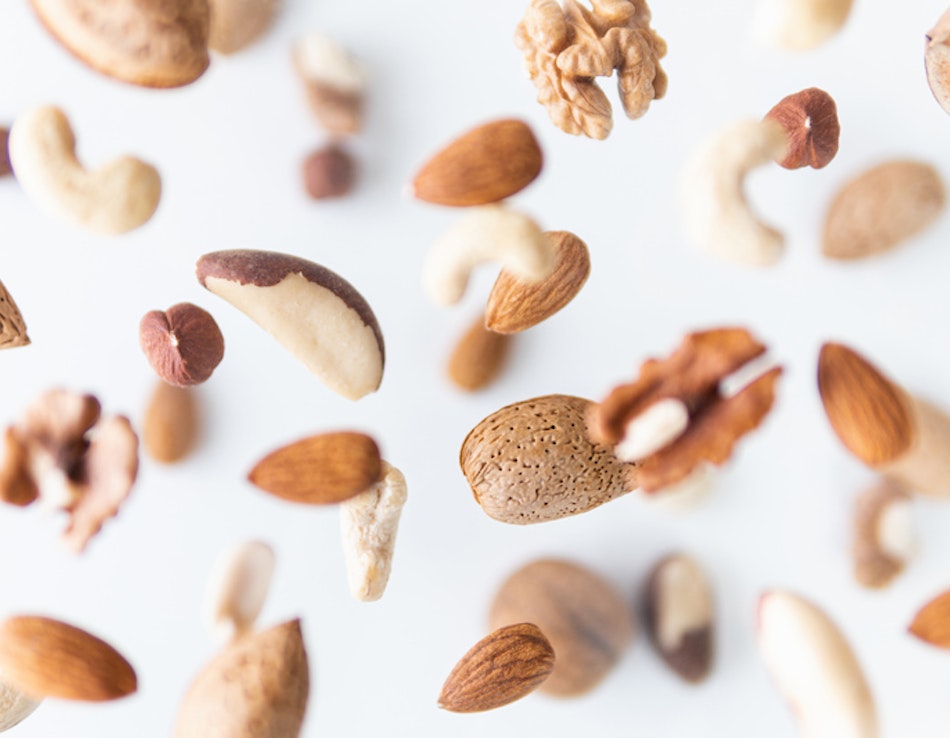
Nuts and seeds provide unsaturated fatty acids, dietary fiber, protein, vitamins, and minerals. They can be a useful addition to a balanced diet.

Some examples include:

  • Tree nuts
  • Almonds
  • Hazelnuts
  • Flaxseed
  • Sunflower seeds
  • Pumpkin seeds

When it comes to cooking oils, rapeseed oil and olive oil are among the best choices. Flaxseed oil can be used in cold dishes.

Nuts and oils are high in energy. Therefore, quality and an appropriate amount for your diet are crucial.

Antioxidants and Oxidative Stress

Metabolic processes in the body produce reactive compounds that are often referred to as free radicals. If more of these compounds are formed than the body can neutralize, this is called oxidative stress.

The body has its own defense mechanisms. In addition, plant-based foods provide various nutrients and plant compounds with antioxidant properties.

These include, for example:

  • Vitamin C
  • Vitamin E
  • Carotenoids
  • Polyphenols
  • Flavonoids
  • Anthocyanins

Good sources include vegetables, fruits, berries, whole grains, nuts, seeds, herbs, and spices.

Individual antioxidant substances or dietary supplements cannot replace a balanced diet. Furthermore, the term “antioxidants” does not imply any direct prevention or treatment of vascular diseases.

Body Weight and Belly Fat

Being overweight can be associated with high blood pressure, abnormal blood lipid levels, and high blood sugar. Abdominal fat, in particular, is linked to a higher risk of metabolic and cardiovascular diseases.

Even small changes that can be sustained over the long term can be helpful:

  • more physical activity in daily life
  • regular meals
  • plenty of vegetables and protein-rich foods
  • products that have undergone less processing
  • enough sleep
  • Responsible consumption of alcohol and sugary drinks

The goal should not be a strict short-term diet, but rather a lifestyle that works for the long term.

Understanding Key Values

Changes in blood vessels often do not cause any symptoms for a long time. Regular checkups can help identify risk factors early on.

Depending on your age and personal circumstances, the following factors may be important:

  • Blood Pressure
  • Blood lipids, particularly LDL cholesterol
  • Blood Sugar
  • Body weight
  • Waist circumference

Which tests and target values are appropriate for each individual depends on their overall cardiovascular risk and should be assessed on a case-by-case basis.

Plant Facts: Garlic

Garlic (Allium sativum) is an ancient cultivated plant used as a spice and for medicinal purposes. It holds a firm place in many traditional dietary cultures and has long been associated with nutrition, heart health, and vascular health.

When should vascular symptoms be evaluated by a doctor?

Changes in blood vessels often go unnoticed for a long time. A medical evaluation is recommended in the following cases:

  • Chest pain or tightness
  • Shortness of breath during exertion
  • recurring leg pain when walking
  • unusually cold or pale feet
  • wounds on the feet or legs that heal poorly
  • sudden weakness or numbness
  • abnormal blood pressure, blood lipid, or blood sugar levels
  • early-onset cardiovascular diseases with a strong family history
  • known diabetes
  • heavy or long-term tobacco use

When is immediate help necessary?

Immediate medical attention is required in the following cases:

  • severe or persistent chest pain
  • sudden shortness of breath
  • Paralysis or numbness on one side of the body
  • Speech or vision problems
  • sudden, very severe headaches
  • Loss of consciousness
  • a sudden feeling of coldness, paleness, and severe pain in an arm or leg

In-Depth Topics

Cardiovascular System

How the heart, blood, and blood vessels work together.

Learn More

Heart Health

What exercise, diet, sleep, and stress management mean for the heart.

Learn More

Circulation & Blood Pressure

Why high blood pressure can put a strain on blood vessels, and how to measure it correctly.

Learn More

Nutrition

How a balanced, plant-based diet is structured.

Learn More

Vitamins & Minerals

Which micronutrients and plant compounds are found in foods.

More on this

Veins & Heavy Legs

Information about venous valves, venous return, and heavy legs.

More on this

FAQ: Frequently Asked Questions About Vascular Health