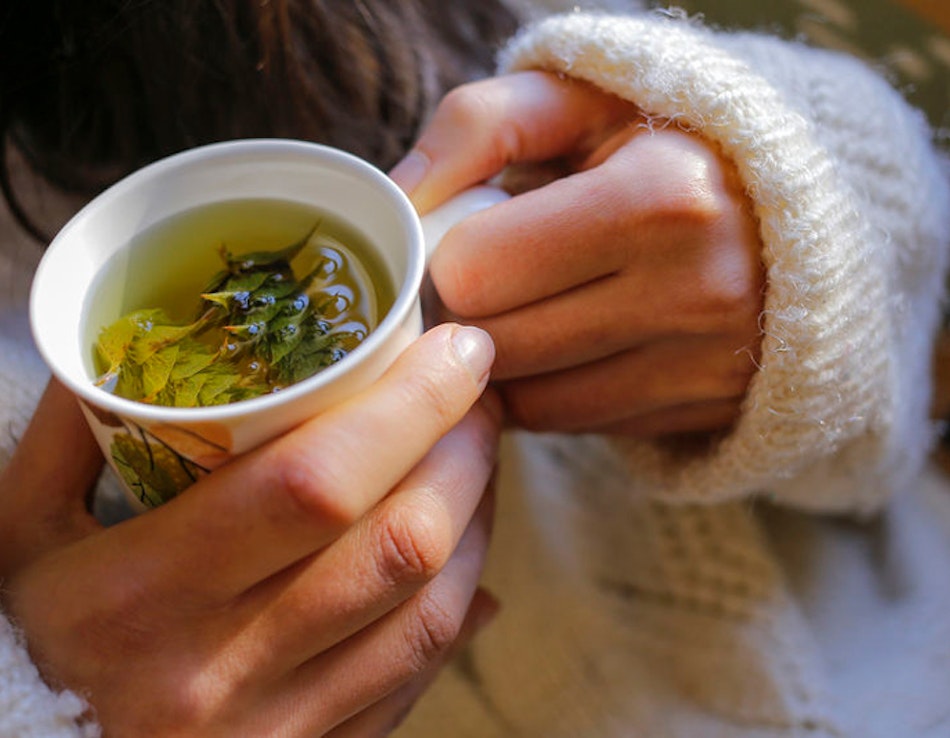
Hot Beverages
Herbal tea, warm water, or soup can be soothing and help you stay properly hydrated.

A cold, also known as a flu-like infection, is a usually harmless infection of the upper respiratory tract. It often affects the nose, throat, and bronchi.
Common symptoms include a runny nose, sore throat, cough, hoarseness, fatigue, and sometimes a mild fever. A cold usually begins gradually and subsides after a few days.
A cold is usually caused by viruses. The pathogens infect the mucous membranes of the nose, throat, and bronchi. The immune system responds with a defense reaction.
This leads to typical symptoms such as:
These symptoms may occur individually or in combination.
A cold usually develops gradually. It often starts with a scratchy throat, a runny nose, or sneezing. The symptoms are unpleasant, but often mild. In contrast, true flu often begins suddenly and with more severe symptoms. Typical symptoms include a high fever, severe headaches and body aches, extreme fatigue, and a pronounced feeling of being ill. If you suspect you have the flu or are experiencing severe symptoms, you should seek medical advice.
Learn More About the FluThe course of the disease varies from person to person. However, a typical pattern often emerges:
After a few days, the symptoms usually subside. However, a cough may persist even after you start to feel better.

Herbal tea, warm water, or soup can be soothing and help you stay properly hydrated.

Moist steam or a suitable saline solution can moisturize dry mucous membranes. The water should not be too hot.

Nasal irrigation with a suitable saline solution can moisturize the nasal mucosa and loosen secretions.

Honey can be soothing for a sore throat and a cold-related cough. Children under one year of age should not be given honey.

A scarf or a warm neck wrap can be soothing when you have a scratchy throat.
Colds are usually caused by viruses. Antibiotics are not effective against viruses and are therefore generally not helpful for treating a common cold.
A medical evaluation is needed to determine whether there is a bacterial infection or if another treatment is necessary.
The Red Coneflower (Echinacea purpurea) is a well-known medicinal plant used to treat colds and support the body's natural defenses.
A.Vogel uses fresh flowering tops and fresh roots of the red coneflower.
Black elderberry (Sambucus nigra) is traditionally associated with colds. The flowers and ripe fruits are the parts most commonly used.
Echinaforce® Hot Drink is made from fresh purple coneflower and is used for the short-term treatment of acute colds.
Echinaforce® Tablets are made from fresh purple coneflower. They are used to boost the body's natural defenses in people who are prone to colds, as well as to treat colds.
These are approved medications. Read the package insert.
You can't always prevent a cold. However, you can reduce your risk by:
A medical evaluation is recommended in the following cases:
If you suddenly experience shortness of breath, chest pain, or symptoms that seem serious, seek medical help immediately.
Everyday tips for sleep, nutrition, exercise, and mucous membranes.


