Heavy Legs: When Your Legs Feel Tired and Weak

Heavy legs feel tired, tight, or swollen. These symptoms often occur in the evening, in warm weather, or after sitting or standing for long periods of time.

The veins are often under greater strain: Blood must be transported from the legs back to the heart against gravity. Exercise and active calf muscles help facilitate this return flow.

Common Symptoms

Heavy legs can manifest in various ways:

  • tired legs
  • Heaviness
  • Tightness
  • swollen ankles
  • A feeling of pressure in the calves
  • Itching
  • nighttime calf cramps
  • Symptoms in Hot Weather
  • Improvement Through Elevation or Movement

If symptoms occur on one side only, appear suddenly, or are severe, you should seek medical advice promptly.

Common Causes

Heavy legs are often caused by temporary impaired blood circulation or slowed venous return.

Common triggers include:

  • prolonged sitting
  • standing for long periods of time
  • Heat
  • Lack of physical activity
  • Overweight
  • tight clothing
  • high heels
  • Pregnancy
  • genetic predisposition
  • Early-stage venous insufficiency
  • Varicose Veins

Heavy legs can be harmless, but they can also be a sign of vein problems.

Why Exercise Helps

The veins are supported by the calf muscles. When walking, the muscles contract and push blood toward the heart. Venous valves normally prevent it from flowing backward.

Without movement, this pumping mechanism is absent. Blood can pool more easily in the legs, and the legs feel heavier.
What Can Help with Heavy Legs

Activate Calves

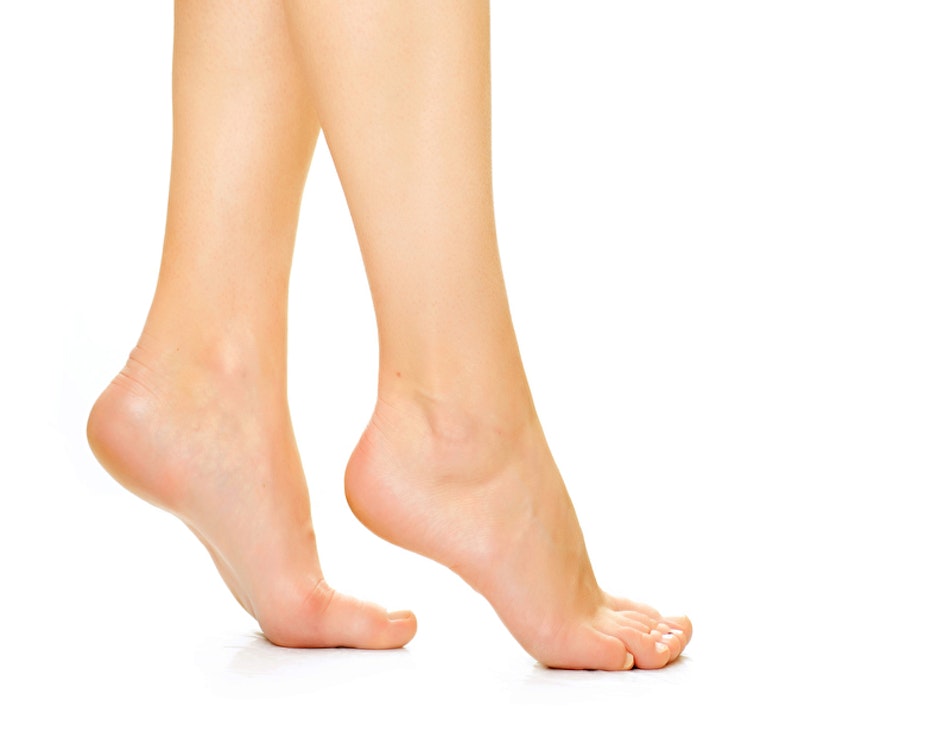
Raise and lower your heels several times a day, rock back and forth on your toes, or rotate your feet in circles.

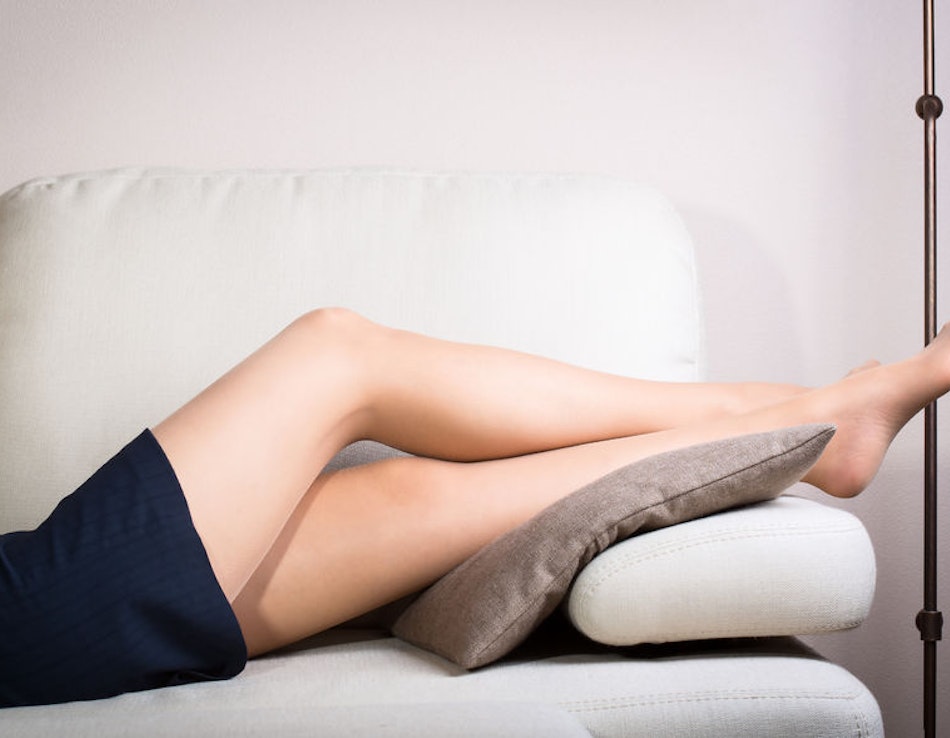
Elevate your legs

Even just a few minutes with your legs elevated can help with reflux.

Take a cold shower

Shower your legs with cool water, starting from the bottom and working your way up. This can be especially refreshing on warm days.

Walking Instead of Standing

Whenever you're waiting, talking on the phone, or working, take a few steps every now and then.

Wear comfortable shoes

Flat, comfortable shoes allow the foot to roll naturally and support the calf muscles.

Avoid anything that constricts

Clothing that is too tight, tight-fitting stockings, or tight shoes can make venous return more difficult.

Heavy Legs in the Summer

Heat causes blood vessels to dilate. This can make heavy legs, swollen ankles, or a feeling of tightness worse.

The following are helpful:

  • Rinse your legs with cool water
  • Avoid direct heat
  • exercise regularly
  • drink enough
  • Elevate your legs from time to time
  • Wear comfortable, loose-fitting clothing

Preventing Heavy Legs in Everyday Life

Habits that are good for your veins are easy to incorporate into your daily routine:

  • Take the stairs instead of the elevator
  • Plan short walks
  • Doing foot exercises while sitting
  • When standing for long periods, shift your weight frequently
  • Don't cross your legs for too long
  • Plan for breaks to move around while traveling
  • Keeping Track of Your Weight and Exercise

Plant Facts: Horse Chestnut

Horse chestnut (Aesculus hippocastanum) is a well-known plant used to treat venous problems and heavy legs. A.Vogel uses fresh horse chestnut seeds in its products.

Related Product

Aesculaforce® Strong Veins

Aesculaforce® forte Venen is a herbal medicine containing a dry extract from fresh horse chestnut seeds.

Indicated for symptoms associated with varicose veins, such as:

  • swollen legs
  • Pain and a feeling of heaviness in the legs
  • Calf Cramps

This is an approved medication. Read the package insert.

When should you get heavy legs checked out?

A medical evaluation is recommended in the following cases:

  • frequent episodes of heavy legs
  • swollen ankles or lower legs
  • visible varicose veins
  • Leg pain
  • Itching or skin changes
  • nighttime calf cramps
  • Symptoms that are getting worse
  • unilateral symptoms
  • Symptoms During Pregnancy
  • known heart, kidney, or vein conditions

Immediate medical attention is necessary in the event of sudden swelling on one side, severe redness, excessive warmth, severe pain, shortness of breath, or chest pain.

In-Depth Topics

Venous insufficiency

How venous insufficiency develops and what symptoms are typically associated with it.

Learn More

Venous Problems

Spider veins, varicose veins, swelling, and warning signs.

Learn More

FAQ: Frequently Asked Questions About Heavy Legs