
Exercise
Walking, climbing stairs, biking, or swimming activate the calf muscles and promote venous return.

In cases of venous insufficiency, the return flow of blood from the legs to the heart no longer functions optimally. The venous valves are often involved. If they do not close properly, blood can pool in the legs.
Common symptoms include heavy legs, swollen ankles, a feeling of tightness, itching, nighttime calf cramps, or visible varicose veins.
Veins carry oxygen-poor blood back to the heart. In the legs, this happens against gravity. The following factors help with this:
If the vein walls lose their elasticity or the venous valves no longer close properly, blood can flow backward. The pressure in the veins increases, and fluid can leak into the surrounding tissue. This causes swelling.

Possible signs of venous insufficiency include:
Symptoms often worsen as the day progresses and improve with movement or by elevating the affected area.
Venous insufficiency can be caused by various factors:
People with multiple risk factors should have any vein-related symptoms evaluated early on.
Walking, climbing stairs, biking, or swimming activate the calf muscles and promote venous return.
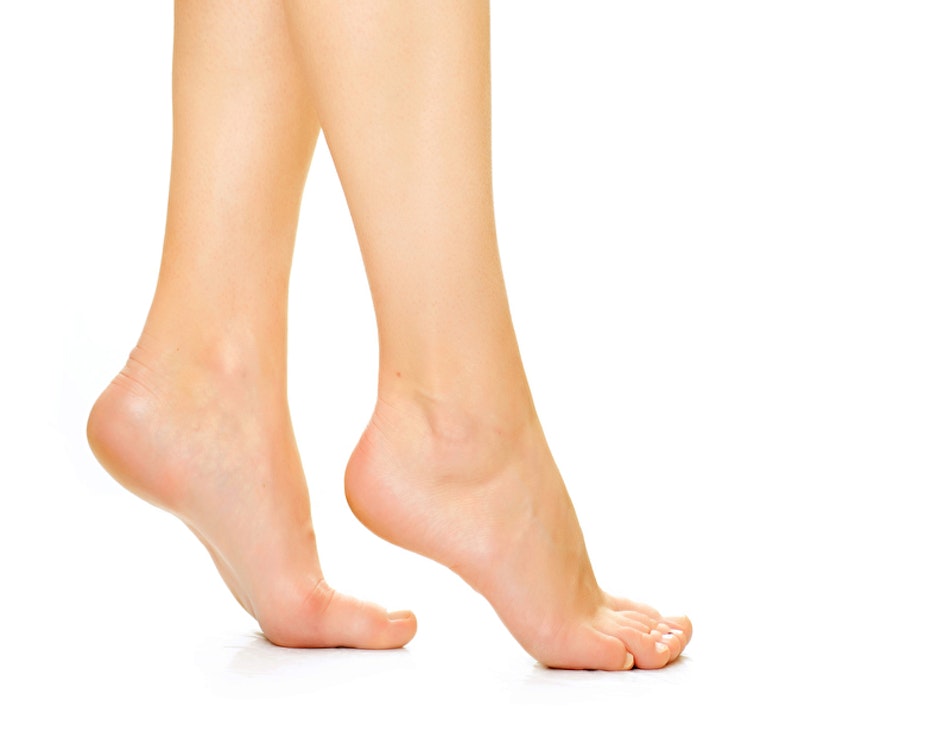
Lifting your heels, curling your toes, rotating your feet, or walking in place get your legs moving.

Keeping the affected area elevated for a short time can relieve swelling and a feeling of tightness.

Compression stockings can help with venous return. They should be selected appropriately and, if necessary, prescribed by a doctor.

Cool leg rinses or contrast showers can be pleasant.

Taking regular breaks to move around is especially important when working in an office, traveling, or performing tasks that require standing.
Varicose veins are enlarged, visible veins. They develop when superficial veins expand and the venous valves no longer close properly.
Not every varicose vein causes symptoms. Nevertheless, varicose veins should be evaluated by a doctor if they are painful, are getting worse, are accompanied by swelling, or are associated with skin changes.
Horse chestnut (Aesculus hippocastanum) is a well-known plant used to treat venous problems. A.Vogel uses fresh horse chestnut seeds in its products.
Aesculaforce® forte Venen is a herbal medicine containing a dry extract from fresh horse chestnut seeds.
Indicated for symptoms associated with varicose veins, such as:
This is an approved medication. Read the package insert.
A medical evaluation is recommended in the following cases:
Seek immediate medical attention if you experience sudden swelling in one leg, severe redness, excessive warmth, severe pain, shortness of breath, or chest pain.

