Vein Problems: Identifying Symptoms Correctly

Venous problems can develop gradually. They often begin with heavy, tired legs or swollen ankles. Later, spider veins, varicose veins, itching, or skin changes may develop.

Not every visible vein is dangerous. Nevertheless, symptoms should be taken seriously, especially if they worsen, occur on only one side, or are accompanied by pain.

Common Vein Problems

Possible symptoms include:

  • heavy legs
  • tired legs
  • swollen ankles
  • swollen lower legs
  • Tightness
  • Pain
  • Itching
  • nighttime calf cramps
  • Spider veins
  • Varicose Veins
  • Skin discoloration
  • dry or irritated skin
  • areas that heal poorly

The symptoms often worsen in the heat, when standing for long periods, or when sitting for long periods.

Varicose Veins

Varicose veins are enlarged, twisted veins. They develop when veins expand and the venous valves no longer close properly.

Possible symptoms include:

  • Heaviness
  • Tightness
  • Pain
  • swollen legs
  • Calf Cramps
  • Itching
  • Skin changes

Varicose veins should be evaluated if they cause symptoms or worsen.

Swelling and Edema

Swollen ankles or lower legs occur when fluid leaks into the tissues. This may be related to venous insufficiency, but it can also have other causes.

Possible triggers include:

  • Heat
  • prolonged sitting or standing
  • Venous insufficiency
  • Medications
  • Heart, kidney, or liver disease
  • hormonal changes
  • Pregnancy

Recurrent or persistent swelling should be evaluated by a doctor.

Spider veins

Spider veins are fine, reddish-blue veins just beneath the skin's surface. They often appear on the legs.

They are often primarily a cosmetic concern. If they burn, hurt, or are accompanied by other symptoms, you should see a doctor for an evaluation.

What Can Help Relieve Venous Problems

Exercise

Walking and calf exercises support the muscle pump.

Elevate

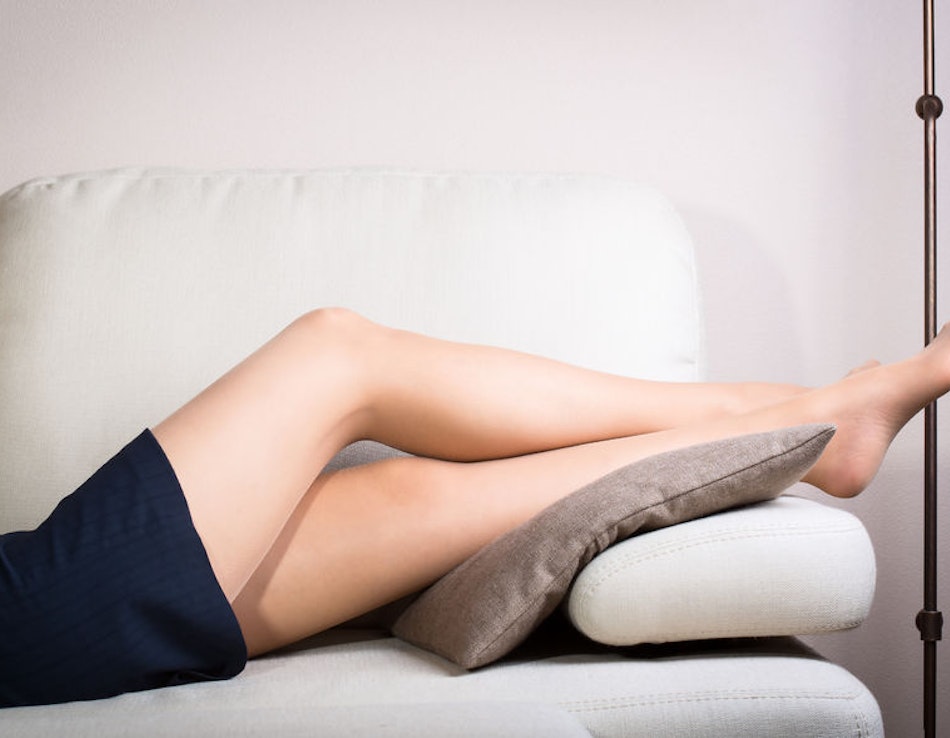
Elevating your legs can relieve swelling and a feeling of tightness.

Cooling Applications

Cool leg rinses can be soothing when you're feeling hot or have heavy legs.

Compression

Compression stockings can be helpful for venous insufficiency or varicose veins.

Weight and Everyday Life

Exercise, a balanced diet, and spending less time sitting or standing can relieve pressure on the legs.

Comfortable clothing

Nothing should be too tight around the groin, the backs of the knees, or the ankles.

Plant Facts: Horse Chestnut

Horse chestnut (Aesculus hippocastanum) is a well-known plant used to treat venous disorders. A.Vogel uses fresh horse chestnut seeds in its products.

Related Product

Aesculaforce® Strong Veins

Aesculaforce® forte Venen is a herbal medicine containing a dry extract from fresh horse chestnut seeds.

Indicated for symptoms associated with varicose veins, such as:

  • swollen legs
  • Pain and a feeling of heaviness in the legs
  • Calf Cramps

This is an approved medication. Read the package insert.

When should you get vein problems checked out?

A medical evaluation is recommended in the following cases:

  • newly occurring vein problems
  • worsening varicose veins
  • recurring swelling
  • Pain or a feeling of tightness
  • Itching or skin changes
  • Discoloration on the lower legs
  • nighttime calf cramps
  • wounds that heal poorly
  • Symptoms Following a Thrombosis
  • Symptoms During Pregnancy
  • Uncertainty about whether compression is appropriate

Immediate medical attention is necessary in the following cases:

  • sudden swelling in one leg
  • severe redness or overheating
  • severe calf pain
  • sudden shortness of breath
  • Chest pain
  • Coughing up blood
  • Circulatory problems

In-Depth Topics

Heavy Legs

What can cause heavy legs, and what everyday tips can help.

Learn More

Venous insufficiency

How venous insufficiency develops and what symptoms are typical.

Learn More

Heart & Circulation

Why Blood Vessels, Movement, and Circulation Are Closely Linked.

Learn More

FAQ: Frequently Asked Questions About Vein Problems